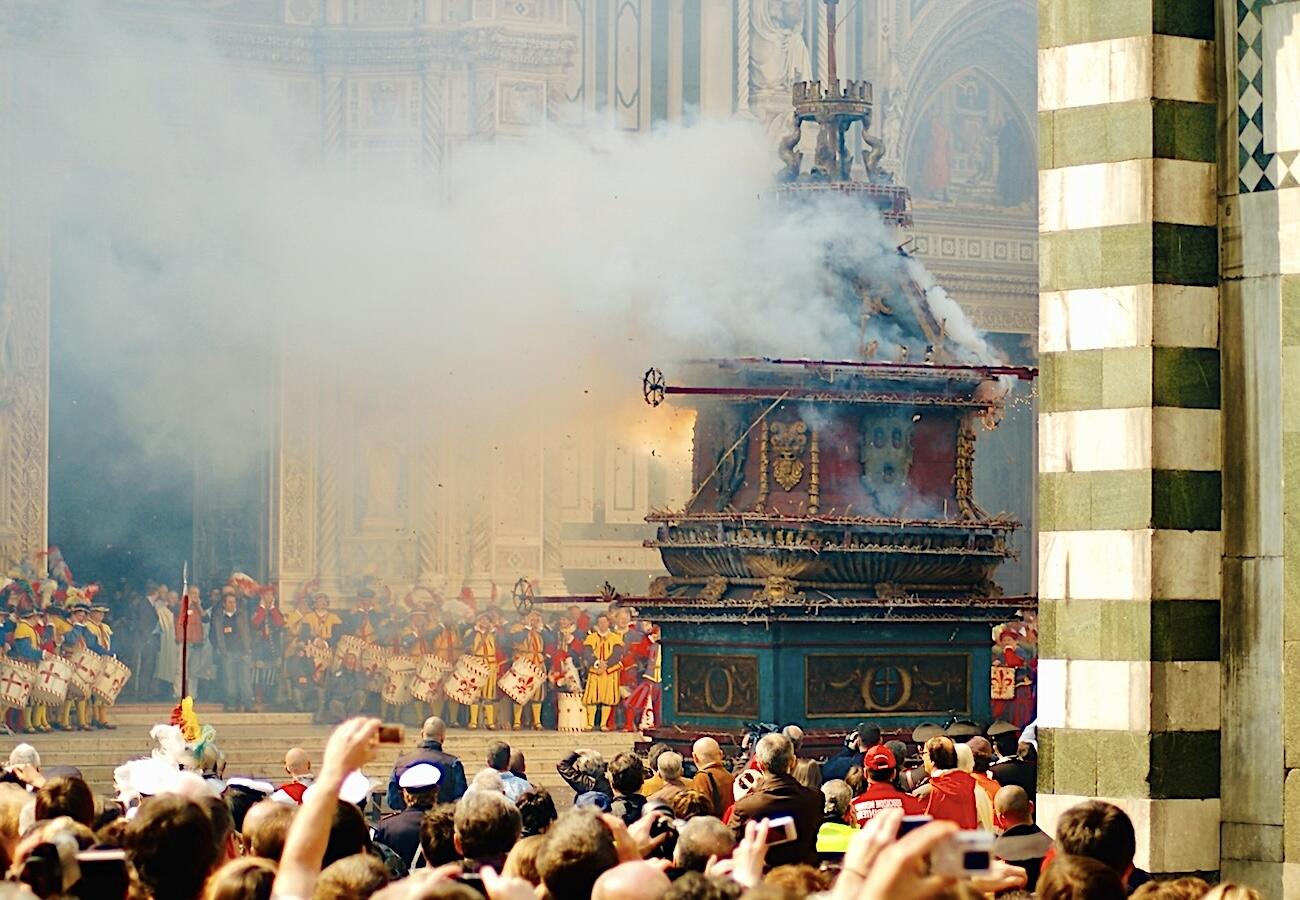
April in Florence : Aprile a Firenze
April is a very busy month in Florence, with the biggest event of course being Easter (Pasqua) and all the fanfare surrounding it. One of the most unique celebrations of Easter in Florence is the "sco...
Continue reading
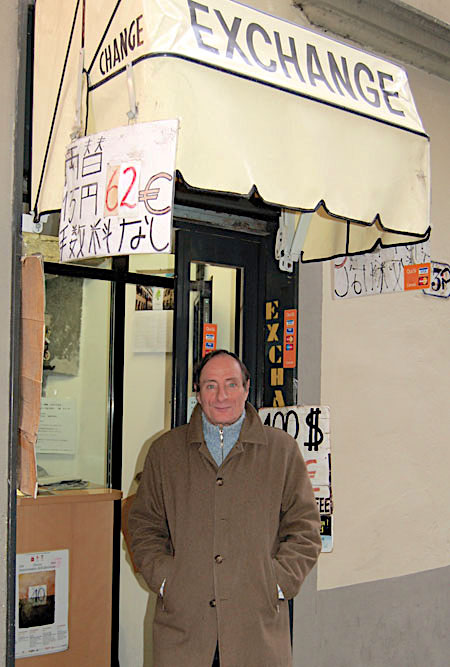
Currency Exchange
The best place to exchange - change money (cash) in Florence is with Carlo (or his son Marco) in their tiny shop (actually just a window you walk up to)...
Continue reading
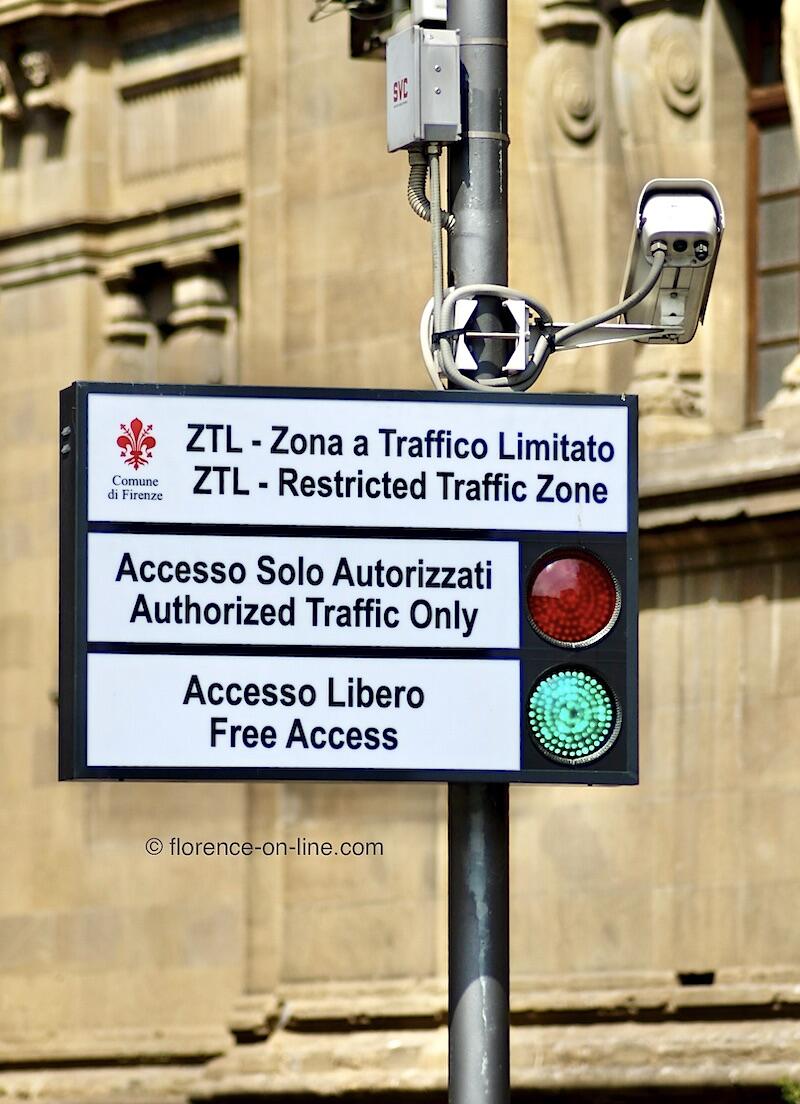
Florence ZTL Map
Inside the old city walls of Florence (well, what used to be the walls and is now the "viale" or large avenue circling the city), driving (and parking!) is...
Continue reading
What's new on Florence-On-Line:
 Trattoria Sabatino
In Food & Drink,
In San Frediano:
 There are places in Florence that exist primarily for tourists, and then there are places that exist for Florence. Trattoria Sabatino, tucked into the Oltrarno neighborhood of San Frediano, falls unmistakably into the second category - or at least, it used to. These days, thanks to a perfect storm of social media and the eternal quest of young American (and other) travelers for "authentic" experie... read more.
 iO Osteria Personale
In Food & Drink,
In San Frediano:
 The room sets the tone immediately: a long, narrow space with black banquettes, whitewashed brick, and the spare, uncluttered feel of a Scandinavian design studio. Soft jazz plays at a volume that allows actual conversation. There are no dusty Chianti bottles, no framed maps of Tuscany, no obligatory rustic beam overhead - just wall-mounted blackboards where the kitchen sketches out each dish like... read more.
 A new airport for Florence?
In Florence Travel Tips,
In Airports:
 Anyone who has passed through Florence's Amerigo Vespucci Airport more than once will have formed an opinion of it. It's small. It's often crowded. The runway is short and awkwardly oriented, aimed more or less directly at Monte Morello, which means a lot of modern aircraft simply can't use it. It has not changed meaningfully since 1999. It is, in other words, a very Italian airport -- functional,... read more.
 Boccadarno
In Food & Drink,
In San Niccolò:
 Boccadarno is one of Florence's best addresses for fresh seafood (which Florence needs more of!), an unpretentious osteria run by Gerardo Ferrigno that brings the flavors of the sea deep into a landlocked city - and does it with both skill and warmth.
The menu changes with the catch and the season, but expect beautifully executed dishes like squid-ink rice with cuttlefish and burrata, fried salt ... read more.
Boccadarno is one of Florence's best addresses for fresh seafood (which Florence needs more of!), an unpretentious osteria run by Gerardo Ferrigno that brings the flavors of the sea deep into a landlocked city - and does it with both skill and warmth.
The menu changes with the catch and the season, but expect beautifully executed dishes like squid-ink rice with cuttlefish and burrata, fried salt ... read more. Enoteca Pitti Gola e Cantina
In Food & Drink,
In Pitti/Boboli:
 A beloved Oltrarno wine bar directly across from Palazzo Pitti, Enoteca Pitti Gola e Cantina specializes in small-production, handcrafted Italian wines selected by owners Edoardo, Manuele, and Zeno Fioravanti. Paired with a concise menu of Tuscan appetizers, cheeses, charcuterie, and handmade pasta, it is as much an education in Italian wine culture as it is a meal.
This is a very popular tourist... read more.
A beloved Oltrarno wine bar directly across from Palazzo Pitti, Enoteca Pitti Gola e Cantina specializes in small-production, handcrafted Italian wines selected by owners Edoardo, Manuele, and Zeno Fioravanti. Paired with a concise menu of Tuscan appetizers, cheeses, charcuterie, and handmade pasta, it is as much an education in Italian wine culture as it is a meal.
This is a very popular tourist... read more. Mark Rothko at Palazzo Strozzi
In Allora (our blog):
 Fondazione Palazzo Strozzi is presenting one of the most significant retrospectives ever dedicated to Mark Rothko (1903-1970), running from March 14 to August 23, 2026. Curated by the artist's son Christopher Rothko and Elena Geuna, Rothko in Florence was conceived specifically for Palazzo Strozzi -- and the choice of venue is no accident.
Rothko first visited Florence in 1950 with his wife Mell,... read more.
Fondazione Palazzo Strozzi is presenting one of the most significant retrospectives ever dedicated to Mark Rothko (1903-1970), running from March 14 to August 23, 2026. Curated by the artist's son Christopher Rothko and Elena Geuna, Rothko in Florence was conceived specifically for Palazzo Strozzi -- and the choice of venue is no accident.
Rothko first visited Florence in 1950 with his wife Mell,... read more. Florence American Cemetery and Memorial
In Monuments:
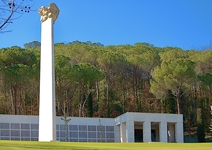 About seven and a half miles south of Florence, tucked among the wooded hills of the Greve River valley in the municipality of Tavarnuzze, lies one of the most quietly moving places in all of Tuscany — a place most tourists never visit, but every visitor to Florence arguably should. The Florence American Cemetery and Memorial covers roughly 70 acres, framed by wooded hills that rise several ... read more.
 Trattoria Vasari
In Food & Drink,
In Pitti/Boboli:
 On the very busy pedestrian street of Via de' Guicciardini, Trattoria Vasari is the kind of straightforward, no-frills Florentine trattoria that the neighborhood used to have in abundance before tourism reshaped the area. The menu sticks to Tuscan classics executed with reliability rather than ambition, which is exactly what you want after a long morning at the Boboli Gardens. Prices are fair, the... read more.
 La Reggia degli Etruschi
In Food & Drink,
In Fiesole:
 Perched in the hills of Fiesole with sweeping views over Florence and the Arno valley, La Reggia degli Etruschi is the kind of place you bring guests when you want to remind them -- and yourself -- just how absurdly beautiful this part of the world can be. The building has its own history to recommend it: a former monastery turned tearoom turned one of the more coveted dinner reservations on the h... read more.
 Bistrot al 5
In Food & Drink,
In Fiesole:
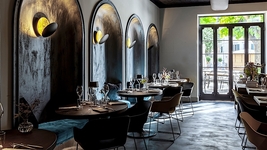 Perched on the hillside piazza of Fiesole, Bistrot al 5 is one of the more quietly accomplished restaurants in the greater Florence area - a Slow Food member that takes its sourcing seriously without making a performance of it. Chef Enrico Mantovanelli works a seasonal menu built around locally sourced ingredients, and the kitchen has a knack for layering simple Tuscan dishes into something more c... read more.
 Osteria di Rocco
In Food & Drink,
In San Niccolò:
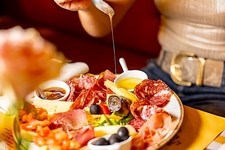 Just a couple minute walk form the Ponte alle Grazie, Osteria di Rocco is a straightforward Tuscan Osteria, featuring most of the classic dishes (and some from other regions) that tourists look for. If you've spent the morning at the Boboli or Bardini Gardens, or have been enjoying the San Niccolò area and want a honest plate of pasta and a carafe of house wine without breaking the bank, this is y... read more.
 Terrazze Michelangelo
In Food & Drink,
In San Niccolò:
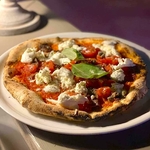 Terrazze Michelangelo is a restaurant, pizzeria, and event venue perched at Piazzale Michelangelo in Florence, one of the city's most iconic hilltop viewpoints. Set amid the greenery overlooking the city, it offers both indoor and outdoor spaces large enough to host events throughout the year. The venue describes itself as one of those quintessential Florentine night-out destinations -- a lively, ... read more.
 Fuori Porta
In Food & Drink,
In San Niccolò:
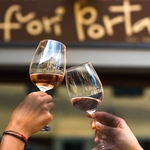 Fuori Porta has been a San Niccolò institution since 1987, born out of Andrea Conti's frustration with the state of wine drinking in Florence at the time. In the late '80s, finding a decent glass of wine by the bicchiere was nearly impossible - what passed for house wine in most places was barely drinkable. So Conti did something about it.
The original space was tiny - little more than a counter ... read more.
Fuori Porta has been a San Niccolò institution since 1987, born out of Andrea Conti's frustration with the state of wine drinking in Florence at the time. In the late '80s, finding a decent glass of wine by the bicchiere was nearly impossible - what passed for house wine in most places was barely drinkable. So Conti did something about it.
The original space was tiny - little more than a counter ... read more. Festa di San Giuseppe, St. Joseph's Day
In Events in Florence:
 Florence Celebrates St. Joseph's Day on March 19th
Every year on March 19th, Italy pauses to honor one of its most beloved saints -- San Giuseppe, or Saint Joseph -- in a celebration that blends deep Catholic faith, ancient pagan tradition, and an irresistible amount of food. In Florence, as throughout Tuscany, the day carries a warmth and intimacy that reflects the Florentine character: rooted in... read more.
Florence Celebrates St. Joseph's Day on March 19th
Every year on March 19th, Italy pauses to honor one of its most beloved saints -- San Giuseppe, or Saint Joseph -- in a celebration that blends deep Catholic faith, ancient pagan tradition, and an irresistible amount of food. In Florence, as throughout Tuscany, the day carries a warmth and intimacy that reflects the Florentine character: rooted in... read more. Florence Parking Guide & Map
In Florence Travel Tips,
In Maps:
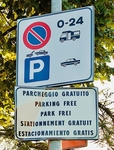 Driving to Florence and parking in the city center is possible, but requires understanding the ZTL (Zona a Traffico Limitato) - Florence's restricted traffic zone - and knowing where the best garages are. This guide covers everything you need to know.
The ZTL: What You Need to Know
The ZTL is a restricted zone covering most of Florence's historic center. Cameras at every entry point photograph l... read more.
Driving to Florence and parking in the city center is possible, but requires understanding the ZTL (Zona a Traffico Limitato) - Florence's restricted traffic zone - and knowing where the best garages are. This guide covers everything you need to know.
The ZTL: What You Need to Know
The ZTL is a restricted zone covering most of Florence's historic center. Cameras at every entry point photograph l... read more. Top Ten Luxury Hotels in Florence
In Florence Travel Tips,
In Hotels & Apartments:
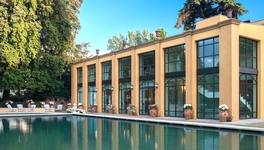 Where Renaissance Splendor Meets Modern Luxury
Florence, the cradle of the Renaissance, deserves accommodations that match its grandeur. Whether you're seeking a romantic hideaway with Duomo views, a historic palazzo with original frescoes, or a garden retreat in the heart of the city, Florence's luxury hotels offer experiences as unforgettable as the city itself. Here's our curated selection of ... read more.
Where Renaissance Splendor Meets Modern Luxury
Florence, the cradle of the Renaissance, deserves accommodations that match its grandeur. Whether you're seeking a romantic hideaway with Duomo views, a historic palazzo with original frescoes, or a garden retreat in the heart of the city, Florence's luxury hotels offer experiences as unforgettable as the city itself. Here's our curated selection of ... read more. Piazza San Marco
In Piazzas of Florence:
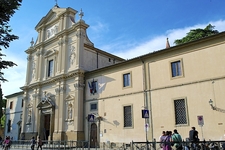 Historical Development and Cultural Significance in Florence
Piazza San Marco occupies a significant position in Florence's northern quarter, representing a notable example of Renaissance urban planning integrated with religious and educational institutions. The square's development reflects broader patterns of Medici patronage and Dominican influence in 15th-century Florence.
Historical Origins... read more.
Historical Development and Cultural Significance in Florence
Piazza San Marco occupies a significant position in Florence's northern quarter, representing a notable example of Renaissance urban planning integrated with religious and educational institutions. The square's development reflects broader patterns of Medici patronage and Dominican influence in 15th-century Florence.
Historical Origins... read more. Cucina Tradizionale Boccadama
In Food & Drink,
In Santa Croce:
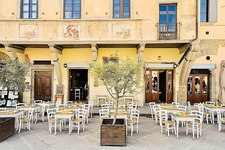 One of our all time favorite places to eat in Florence (our first apartment was above the restaurant) is the Ristorante Cucina Tradizionale Boccadama (they recently relaunched their website and refined their name).
Located directly on Piazza Santa Croce, this is real Tuscan and other regional Italian food in a great setting, with prompt, efficient, and friendly service. In season you can dine al ... read more.
One of our all time favorite places to eat in Florence (our first apartment was above the restaurant) is the Ristorante Cucina Tradizionale Boccadama (they recently relaunched their website and refined their name).
Located directly on Piazza Santa Croce, this is real Tuscan and other regional Italian food in a great setting, with prompt, efficient, and friendly service. In season you can dine al ... read more. Ceramics Fair (Fiera della Ceramica)
In Events in Florence:
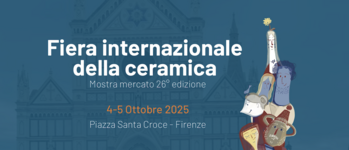 One of our favorite annual events in Florence is the Fiera della Ceramica (ceramics fair).
Historically this event was held in Piazza Santissima Annunziata, but in 2023 the event was moved to Piazza Santa Croce. This year's event will take place on the first weekend of October, the 4th and 5th. The event is organized by the Arte della Ceramica, and you can find additional information on their web... read more.
One of our favorite annual events in Florence is the Fiera della Ceramica (ceramics fair).
Historically this event was held in Piazza Santissima Annunziata, but in 2023 the event was moved to Piazza Santa Croce. This year's event will take place on the first weekend of October, the 4th and 5th. The event is organized by the Arte della Ceramica, and you can find additional information on their web... read more. About
Florence-On-Line is an evergreen yet evolving guide to Florence for art, culture, history, and food lovers. Written and curated by former and current residents of Florence, it features in depth knowledge and personal opinions on museums, art, architecture, churches, and events, as well as information and recommendations on where to eat, shop, and stay.
Some links to external websites may be affiliate links (hotel bookings, guide books, activities, etc.). Using these services helps to support our efforts here with no additional costs to the user (you!).