Museo dell'Opera del Duomo (Opera di Santa Maria del Fiore)
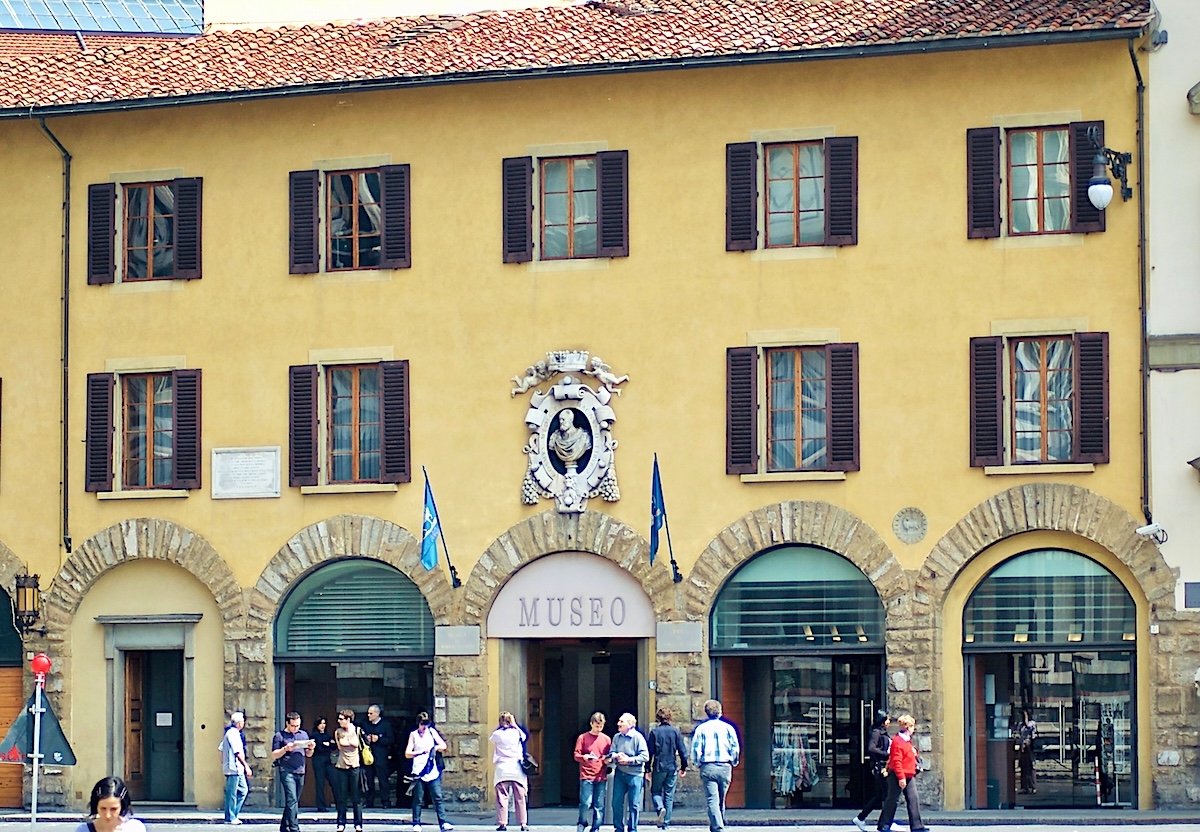
The Museo dell'Opera del Duomo holds the original sculpture made for Florence's Cathedral, Baptistery and Bell Tower over seven centuries - Ghiberti's Gates of Paradise, Donatello's Penitent Magdalene, Michelangelo's Bandini Pietà and the marble prophets that once stood high on Giotto's Campanile. Most of what you see outside in Piazza del Duomo today is a copy. The real things are here, in a museum directly behind the dome that almost nobody puts first on their list, and should.
The museum was founded in 1891 and radically rebuilt in 2015. It now fills more than 6,000 square meters across 28 rooms on three floors, and it was designed around one idea: showing the works as close as possible to the way they were meant to be seen. If you care about Renaissance sculpture, this belongs in the same league as the Bargello and Orsanmichele.
What to See
The Sala del Paradiso and the Baptistery Doors

The museum's showpiece is a huge hall built around a full-scale reconstruction of the Cathedral's original medieval façade, begun by Arnolfo di Cambio and torn down in 1587. The surviving statues from that façade stand back in their niches, and facing them are the original bronze doors of the Baptistery - including Lorenzo Ghiberti's Gates of Paradise, the ten gilded panels Michelangelo supposedly said were worthy of heaven. The doors on the Baptistery today are replicas; these are the originals, restored and displayed at eye level where you can actually study them.
Donatello's Penitent Magdalene
Carved in wood in the mid-1400s, Donatello's gaunt, ravaged Mary Magdalene is one of the most unsettling sculptures of the Renaissance and nothing like the idealized figures most visitors expect from the period. It stood in the Baptistery for centuries and was badly damaged in the 1966 flood before being restored.

The Campanile Prophets and Reliefs
The statues of prophets that stood in the niches of Giotto's Bell Tower are here, including Donatello's bald, craggy Habakkuk, nicknamed "Lo Zuccone" (the pumpkin head). So are the original hexagonal reliefs from the base of the tower by Andrea Pisano and his workshop, which illustrate the arts, crafts and sciences of the medieval world.
The Cantorie
Two marble choir lofts, made for the Cathedral in the 1430s, hang facing each other: Luca della Robbia's, with its rows of calm, singing children, and Donatello's, with its wild, dancing putti against a glittering mosaic background. Seeing them side by side is one of the best lessons in the city on how differently two great sculptors could handle the same commission.
Michelangelo's Bandini Pietà
Michelangelo carved this Pietà in his seventies, intending it for his own tomb. Frustrated with the marble, he attacked it with a hammer and abandoned it; a pupil later repaired and partly finished it. The hooded figure of Nicodemus supporting Christ is traditionally thought to be a self-portrait. For more on his work around the city, see Michelangelo's Florence.
Brunelleschi and the Dome
The upper floors cover the building of the dome itself, with wooden models, tools and equipment from the building site and Brunelleschi's death mask. Worth doing before you climb the dome, not after.
Tickets and Passes
There is no museum-only ticket. The museum is included in all three official passes sold by the Opera di Santa Maria del Fiore, each valid for three calendar days, with one entry to each monument:
| Pass | Adult | Ages 7-14 | Includes |
|---|---|---|---|
| Brunelleschi Pass | €30 | €12 | Dome, Bell Tower, Baptistery, Museum, Santa Reparata |
| Giotto Pass | €20 | €7 | Bell Tower, Baptistery, Museum, Santa Reparata |
| Ghiberti Pass | €15 | €5 | Baptistery, Museum, Santa Reparata |
Children under 7 are free. Each pass requires a timed booking for one monument - the Dome, the Bell Tower or Santa Reparata respectively - and that slot cannot be changed or canceled. The museum itself has no timed entry. Buy from the official webshop at tickets.duomo.firenze.it; the Opera warns that third-party "skip the line" tickets are not authorized.
If you only want the museum, the Ghiberti Pass is the cheapest way in. The Opera recommends about 90 minutes for a visit; sculpture lovers can easily spend twice that. The museum has an elevator to all floors.
The Opera di Santa Maria del Fiore
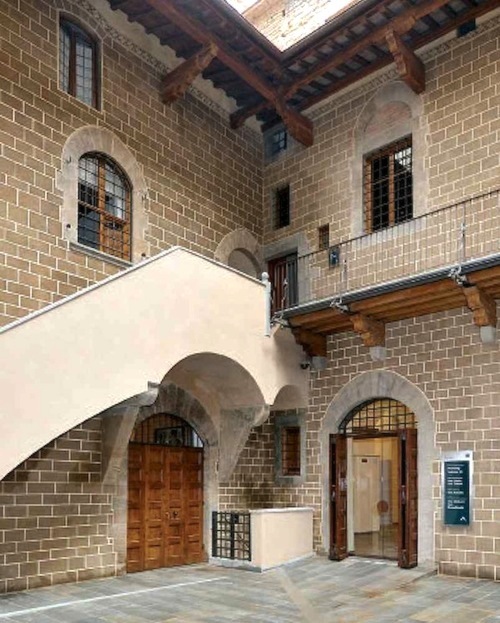
The Opera di Santa Maria del Fiore - the "Opera del Duomo," or Cathedral Works - is an institution founded by the Florentine Republic in 1296, with the participation of the city's church authorities, to oversee the building of the new Cathedral and its Bell Tower. After the Cathedral was consecrated in 1436, the year Brunelleschi closed his dome, the Opera's job became the care of the monumental complex. The Baptistery came under its management in 1777, and the museum opened in 1891 to hold works removed from the buildings over the centuries - a collection that keeps growing as more originals are brought indoors to protect them from weather and pollution. The Opera, then run by the Wool Guild, commissioned Michelangelo's David in 1501. He carved it in the Opera's workshop courtyard, which is now part of the museum. The workshop itself moved several times and has operated on Via dello Studio since the mid-1800s, where its stonemasons still restore and maintain the complex's sculpture.
Don't confuse the institution with the museum. The Opera's offices are at Via della Canonica 1, but that is an administrative address, not a visitor entrance. The museum entrance is at Piazza del Duomo 9, but tickets aren't sold there. Buy them online or at the official ticket office and info point at Piazza San Giovanni 7, in the Antica Canonica di San Giovanni facing the Baptistery.
Museo dell'Opera del Duomo FAQs
Do I need a separate ticket for the Museo dell'Opera del Duomo?
There is no museum-only ticket. The museum is included in all three official passes - the Brunelleschi Pass (€30), the Giotto Pass (€20) and the Ghiberti Pass (€15) - each valid for three calendar days. The Ghiberti Pass is the cheapest way in and also covers the Baptistery and Santa Reparata.
When is the Museo dell'Opera del Duomo closed?
The museum is open every day from 8:30 a.m. to 7 p.m., but it closes for maintenance on the first Tuesday of every month.
Is Michelangelo's David in the Museo dell'Opera del Duomo?
No. The Opera commissioned the David in 1501, but the statue has been in the Galleria dell'Accademia since 1873. The museum does have Michelangelo's Bandini Pietà, which he carved for his own tomb.
Are the sculptures on the Duomo and Baptistery originals?
Mostly not. The Baptistery doors, the Campanile statues and reliefs and many other outdoor works are replicas. The originals were moved into the Museo dell'Opera del Duomo to protect them from weather and pollution.
How long does it take to visit the Museo dell'Opera del Duomo?
The Opera recommends about 90 minutes. Visitors with a serious interest in Renaissance sculpture can easily spend three hours.
The Museo dell'Opera del Duomo on the map:
Hours
- Monday: 8:30 a.m. - 7 p.m.
- Tuesday: 8:30 a.m. - 7 p.m.
- Wednesday: 8:30 a.m. - 7 p.m.
- Thursday: 8:30 a.m. - 7 p.m.
- Friday: 8:30 a.m. - 7 p.m.
- Saturday: 8:30 a.m. - 7 p.m.
- Sunday: 8:30 a.m. - 7 p.m.
- Closed the first Tuesday of every month
Comments:
By Anthony Finta, last updated:
What's New?
-

Tuscan Horticultural Society
Sep 20, 2026

-

Badia Fiorentina
Aug 31, 2026
-

Festa della Rificolona
Aug 30, 2026
-

Vinny's Florence Food Walking Tour
Aug 27, 2026
-

Corri la Vita 2026
Aug 27, 2026
-

Mostra Mercato Internazionale dell'Antiquariato
Aug 26, 2026
-
San Lorenzo
Aug 24, 2026