Home / Palazzi of Florence
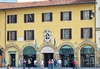
 Palazzo Corsini is a late baroque building, obvious throughout its many architectural details - from the roofs decorated with statues copied from antiquity and terra cotta vases, the ornate rooms and interior grotto, and the main, U-shaped courtyard that opens towards the lungarno and north bank of the Arno.
The two men responsible for Palazzo Corsini were Bartolomeo Corsini (1622-1685), the son ... read more.
Palazzo Corsini is a late baroque building, obvious throughout its many architectural details - from the roofs decorated with statues copied from antiquity and terra cotta vases, the ornate rooms and interior grotto, and the main, U-shaped courtyard that opens towards the lungarno and north bank of the Arno.
The two men responsible for Palazzo Corsini were Bartolomeo Corsini (1622-1685), the son ... read more.
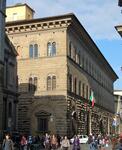 Located near the Basilica di San Lorenzo, the Palazzo Medici Riccardi is one of the finest and most important palazzos of Florence. It was built in the fifteenth century on the commission of the Medici family by Michelozzo di Bartolomeo Michelozzi, a disciple of Ghiberti and collaborator of Donatello. The palazzo is a prototype of Renaissance civil architecture and effectively represents the powe... read more.
Current scholarship agrees that the Palazzo Rucellai was designed by the famous artist, architect, and humanist Leon Battista Alberti, but built by Bernardo Rossellino in the mid-fiftheenth century. It is notable for being one of the first palazzos to express humanism in Renaissance residential architecture. This new style is evidenced by an elegant design that sets the building apart from the mor... read more.
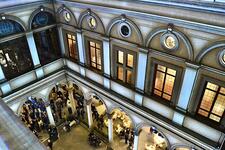 Palazzo Strozzi is a Renaissance palace in Florence, Italy, commissioned by the wealthy and influential Strozzi family. Its construction began in 1489 and was completed in 1538, representing the flourishing of Renaissance architecture and art during that era.
The Family
The Strozzi family was one of the most powerful and prosperous families in Florence during the Renaissance. They were bankers, ... read more.
Palazzo Strozzi is a Renaissance palace in Florence, Italy, commissioned by the wealthy and influential Strozzi family. Its construction began in 1489 and was completed in 1538, representing the flourishing of Renaissance architecture and art during that era.
The Family
The Strozzi family was one of the most powerful and prosperous families in Florence during the Renaissance. They were bankers, ... read more.
One of the swankest new places to stay in Florence:
"Scheduled to open in early 2008, Palazzo Tornabuoni (866-753-6667), a stunning renovated 15th-century Florentine palace being divided into apartments, is offering fractional shares from around $230,000."... read more.
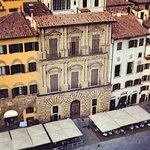 Palazzo Uguccioni was built for Giovanni Uguccioni starting around 1549 by Mariotto di Zanobi Folfi. The original architecture of classical forms has affinities with the Roman late Renaissance style which has caused speculation that the design was by Raphael or Michelangelo (or a host of other famous Florentine artists and architects).
The decorative effect of the facade places it in relation to... read more.
Palazzo Uguccioni was built for Giovanni Uguccioni starting around 1549 by Mariotto di Zanobi Folfi. The original architecture of classical forms has affinities with the Roman late Renaissance style which has caused speculation that the design was by Raphael or Michelangelo (or a host of other famous Florentine artists and architects).
The decorative effect of the facade places it in relation to... read more.
Palazzi of Florence
 Palazzo Corsini
Palazzo Corsini is a late baroque building, obvious throughout its many architectural details - from the roofs decorated with statues copied from antiquity and terra cotta vases, the ornate rooms and interior grotto, and the main, U-shaped courtyard that opens towards the lungarno and north bank of the Arno.
The two men responsible for Palazzo Corsini were Bartolomeo Corsini (1622-1685), the son ... read more. Palazzo Medici Riccardi
Located near the Basilica di San Lorenzo, the Palazzo Medici Riccardi is one of the finest and most important palazzos of Florence. It was built in the fifteenth century on the commission of the Medici family by Michelozzo di Bartolomeo Michelozzi, a disciple of Ghiberti and collaborator of Donatello. The palazzo is a prototype of Renaissance civil architecture and effectively represents the powe... read more. Palazzo Rucellai
Current scholarship agrees that the Palazzo Rucellai was designed by the famous artist, architect, and humanist Leon Battista Alberti, but built by Bernardo Rossellino in the mid-fiftheenth century. It is notable for being one of the first palazzos to express humanism in Renaissance residential architecture. This new style is evidenced by an elegant design that sets the building apart from the mor... read more. Palazzo Strozzi
Palazzo Strozzi is a Renaissance palace in Florence, Italy, commissioned by the wealthy and influential Strozzi family. Its construction began in 1489 and was completed in 1538, representing the flourishing of Renaissance architecture and art during that era.
The Family
The Strozzi family was one of the most powerful and prosperous families in Florence during the Renaissance. They were bankers, ... read more. Palazzo Tornabuoni
One of the swankest new places to stay in Florence:
"Scheduled to open in early 2008, Palazzo Tornabuoni (866-753-6667), a stunning renovated 15th-century Florentine palace being divided into apartments, is offering fractional shares from around $230,000."... read more. Palazzo Uguccioni
Palazzo Uguccioni was built for Giovanni Uguccioni starting around 1549 by Mariotto di Zanobi Folfi. The original architecture of classical forms has affinities with the Roman late Renaissance style which has caused speculation that the design was by Raphael or Michelangelo (or a host of other famous Florentine artists and architects).
The decorative effect of the facade places it in relation to... read more. What's New?
Palazzo Vecchio Museum: Hours, Tickets, What to See
Sep 29, 2026
Sillico and the Garfangana
Sep 28, 2026